V01, Mira (Milla) Ikeda ‘21, Reiko Yamamuro, Great-aunt, 1944, Shun’ichi Yamamuro, Great-uncle, 1941, China, Yokohama: Kanagawa-ku, Tōkyō
For this oral interview, I interviewed my grandmother’s sister, Reiko Yamamuro, and her husband, Shun’ichi Yamamuro, at their house in Yokohama on October 10th, 2019. Reiko Yamamuro was born in Shanghai in the year 1944, just before the war ended. Shun’ichi Yamamuro was born in 1941; he was four years old when the war ended. My great aunt talked to me about her experiences of the post-war period and stories of the war she heard from her parents. On the other hand, her husband vividly recalled his memories of the war, as well as the struggles he experienced after the war.
With Hawaiian music playing in the background, my great-uncle started to talk with his eyes closed. He told me that the music was to abate the somber mood of the subject. Somehow I found this ironic, thinking about the Pearl Harbor attack. He began with the description of B-29 aircraft dropping bombs from the sky like raindrops. My four-year-old great-uncle was pulled out of the house and dragged into the air-raid shelter in their garden. Many of his neighbors shared a public shelter, while they had their own. As he looked up at the sky, he only saw smoke and the sky dyed in the color red. He heard three explosions close by and the men in his family left the shelter to put the fire out. Their kayabuki (thatch) roof was made from straw, hence they had to be cautious so the roof wouldn’t catch on fire from the incendiary bombs.
He stayed in the shelter throughout the whole night; luckily there were no lives lost among his close family. The next morning, he and his friends encountered the debris of a crashed aircraft. He was told by the men who were also taking a look at the debris that it was an American aircraft, because it had a star painted on it. In the debris, my great uncle and his friends found shiny aluminium foil in tight rolls. He said that such shiny paper did not exist in Japan at the time. Intrigued by this, he started to collect these small pieces and used them as toys with his friends.
On the other hand, my great-aunt experienced the terror of war in a completely different way. During most of the war, her family lived in Shanghai due to her father’s job in an oil company. In China, they led a luxurious life with surplus food such as butter, cheese, and chocolate. They had many maids and horses in their garden. However, situations changed for the family once Japan started to lose against the Allies. Sensing the danger, her family fled back to Japan by boat. My great-aunt stated that, if they had fled a little later, they might have been killed or would have never been able to return to Japan. The voyage back to Japan was often also fatal. She was just a baby back then, but according to stories her parents told her, many other ships sank due to torpedoes from submarines underwater. She says that it was a miracle that she and her family arrived safely back in Japan. Once they arrived in Japan, all the food and other luxuries her mother had brought back from China were confiscated by the government.
On August 15th, my great-uncle remembers sitting by the radio with his sisters and mother listening to the Emperor’s speech. At this time he did not understand what the Emperor was saying, but he was told that the war was over. He did not feel much emotion as he was still young, but he was happy that the air raids were over. He told me that as he laid down in the grass looking up at the sky, he realized how blue the sky could be for the first time in a long time.
Once my great-aunt’s family arrived back in Japan, my great-grandparents started up a new business with the motive of not getting dragged down by the war. With bags of pearls that her grandfather hid during the war, her parents bought a small building to start a jewelry shop and named it Star Jewelry. Before the war, after graduating from high school, my great-grandmother had studied English at YWCA and became fluent in the language. Knowing that Japan’s economy was at a very low point, she decided her target customers would be the wives of American officers on the U.S. military bases. Using her English skills as an advantage, she built her jewelry shop close to an American base in Narimasu. Intrigued by a Japanese couple that spoke English, many officers came to their shop. They soon became close to many officers.
This led to my grandmother, Eri, eventually home-staying in the house of one of the officers in Pensacola, Florida, and attending Saint Maur International School upon her return from the U.S. The officers recommended opening a shop in Sagamihara close to a larger U.S. military base. The same year they opened new shops in Zama and Atsugi. One day a customer asked if they had a shop in Motomachi as well, because he saw a shop with the same name. The shop was not theirs; however, hearing that it was on sale, her parents decided to buy it. This decision was based upon the fact that President Kennedy was closing many of the U.S. bases in Japan due to the Vietnam War. This meant that my great-grandparents could no longer rely only upon the American soldiers and officers as their customers. Hence they decided to open a new shop in Motomachi, where they might have a chance to attract a greater variety of customers.
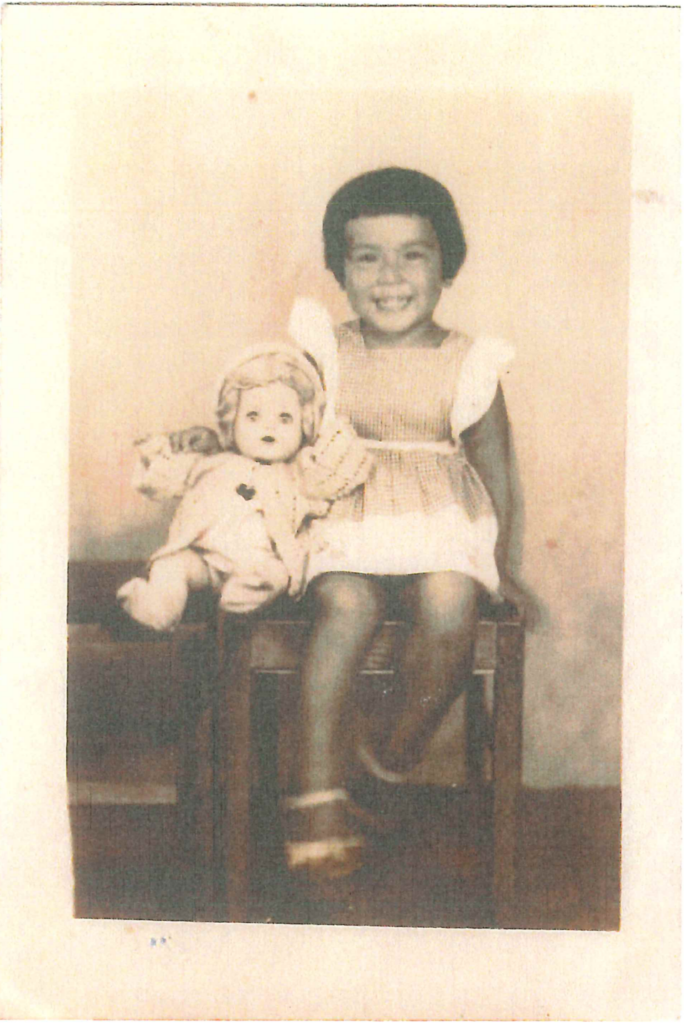
The lifestyles of the couple during the post-war period were very contrasting. My great-uncle’s neighborhood in Hakuraku was not burned down, as opposed to the destruction in other regions; hence he was able to return to a regular lifestyle. His father, who had been a corporal during the war, had access to food supplies such as coffee and sugar; however, food was not plentiful. Their family also started farming sweet potatoes, carrots, and other vegetables on their empty land. He had to work on the farm with his siblings, or his parents would not allow him to eat any of the food. Although they had access to food, the meals did not have much variety. Meals consisted mostly of ground potatoes made into a mochi-like substance called suiton. He was taught to be appreciative that he had food to eat, and when he complained that he wanted fish or meat his parents would take his meal away. They were able to eat meat only on their birthdays and canned fruits when they had a fever. Furthermore, he would only drink tea or water unless it was his or his siblings’ birthday when his parents would buy them cider.
His family did not have access to tap water or gas. Being the oldest child, he had to get water from the well. As this water was also used for their bath, he had to go back and forth between the well and his house many times during the day. He described the many Japanese soldiers who walked around the neighborhood missing limbs, many of them were homeless. These soldiers lined up by their house, asking for food, and his mother would always provide them with vegetables grown in their garden. In fourth grade, his homeroom teacher was a survivor of the Special Attack Squad (tokkōtai, or kamikaze). My great uncle recalls that he was very strict and disciplinary. Many of the adults who experienced the war were very strict to children and taught them to be thankful for the peaceful time they were now living in.
While her husband spent his childhood helping his family farm vegetables, my great-aunt went to school wearing leather shoes and a school hat. They had water taps and gas working in their homes and plenty of food. Her parents valued education, and all three siblings were fortunate enough to receive private education. Despite these luxuries, she was often mocked by the school teachers since her mother was the only mother that worked full-time. She was raised in the Shōnan area by her grandmother, along with her siblings. Her parents were only able to visit her during the weekends.
An unforgettable experience that both my great-uncle and aunt had was their post-war encounters with American soldiers during the U.S. Occupation. They would receive chocolate, chewing gum, and other sweets from these soldiers in the streets. They both told me that they were never scared or thought negatively about the soldiers; instead, they described the soldiers as kind and always smiling.
Through this interview, I learned more about the lives of my relatives during the war and the various ways their lives were affected. This was a great opportunity for me to know about the first-hand experiences my relatives went through. I hope that by passing these stories down through generations we will not repeat the same terrors of war.