W04, Haruka Shiga ‘22, Nao Mori, Grandmother’s friend, 1933,Yokohama: Naka-ku, Nishi-ku
My grandmother’s friend, Mrs Nao Mori, lives in Yokohama. She was born in 1933 and grew up during World War II. I interviewed her in November 2020.
Q. How old were you at the beginning of World War II?
A. I was in the sixth grade in elementary school. I lived in Kominato, in Yokohama, because my father had passed away due to tuberculosis, which was prevalent in the society. I felt lonely, but I was glad that I wouldn’t lose my father due to recruitment.
Q. Can you tell me about your experience? What was the most memorable event that took place?
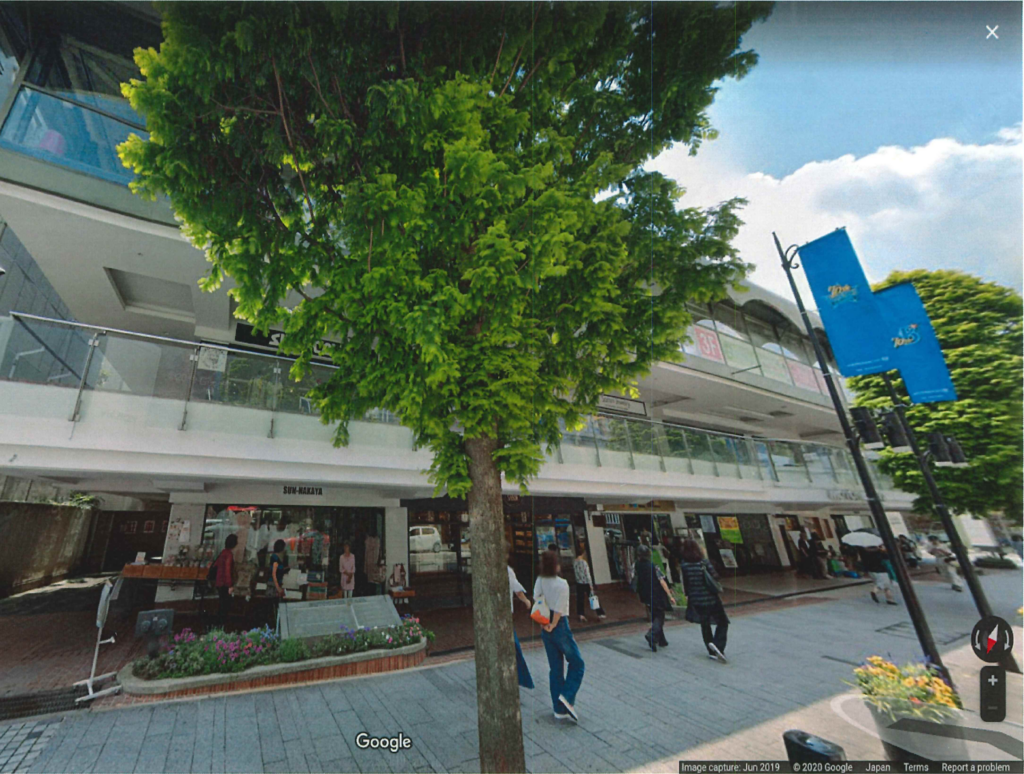
A. I vividly remember the day of the bombing of Yokohama. I was at my school, Ferris Girls’ School, on May 29, 1945 when the bomb alarms set off. We were immediately told to go home. It was horrifying. Hundreds of planes, the B-29 bombers and P-51 fighters, roamed the sky, and turned it a dark grey, black color. All I could hear were screams and the sound of bombs being dropped. I ran as fast as I could with my mother to hide, as I heard the policemen yell, “Leave everything behind, and run!” The houses around me started burning. It was truly a horrifying scene. We ran first to the air-raid shelter, where currently the Motomachi Plaza building lies. The policemen however, told us to go up the hill, where there was the temple of Yakushidō.
When we arrived there, I saw the whole city of Yokohama being burned down to the ground. The smoke surrounded us, and in that moment, I truly believed that I was going to die.
My friend lived in Takigashira, but she went to school two or three days after the bombing, and told me stories of how she had to carefully walk so that she would not step on the corpses on the ground. I moved to Shin-Yamashita, where my friend lived, as it was miraculously unburned. We lived there for a while, and soon after, when the war ended, I went to Tōkyō. I can’t remember how I got there though. Sakuragi-chō station was the final stop, so we must have walked there to get on the train.
When we arrived in Tōkyō, at the beginning, I didn’t go to school. We were too scared, as we heard rumors of rape and violence by the foreign soldiers. All we could do at that moment was to pray that everything would get better. As time passed, I started going back to school in Yokohama, all the way from Tōkyō. The train was overcrowded, making the journey a very long one. I also remember that the American soldiers put white DDT powder on our necks to kill lice. Thinking about it now, I am really disgusted, since that indicates how unclean we were.
The biggest treasure of my life, and the only relief during the horrid times, was when I could go pray in the church at my school. I felt bad that I was able to go to school, with our economic situation, but I still thank my mother for allowing me to go.
Some other memories I have from the war years was being told to constantly hold on to our anti-air raid hoods, to protect ourselves in the case of immediate danger. Students who were two years above me at school had to go help out in military school. My brother was sent to Hakone as part of the evacuation of school children. I also remember my own uncle being targeted by a P-51 fighter plane, which is a terrifying thought.
I know you probably cannot imagine now, but apart from all this suffering, we also did not have a good amount of food. We basically lived by eating scraps of whatever we could find. If a neighbor had a garden, we would all plant vegetables that were easy to grow, like radishes.
Q. How did you feel when you heard that the war had begun?
A. I didn’t think much of it, because I was so young. I didn’t know the horrors it would bring, I simply noticed that you know, there were changes being made around me, but that’s about it.
Q. How did you feel when you heard that the war ended? Was it relief, or anger at the news of the surrender?
A. I was in the garden, listening to the radio, but hearing that news was the happiest I had ever been. I felt very relieved, and relaxed in the fact that there would be no more constant fear and living side-by-side with death. We all knew we were going to lose, so no, I didn’t feel that much anger.
Q. Lastly, what do you think we could do to prevent an event as agonizing as this from ever happening again?
A. This is a very hard question to answer. I often ask myself, why can’t we all get along? Why do we hold grudges against each other? Why can’t we have a better heart, and what is all the bloodshed for? I experienced a horrid, terrifying time. It was horrifying. We have to all think hard about how we can get along. I think that communication, tolerance, and compromise are all so important. But, in your generation. I pray that the world will be peaceful.